
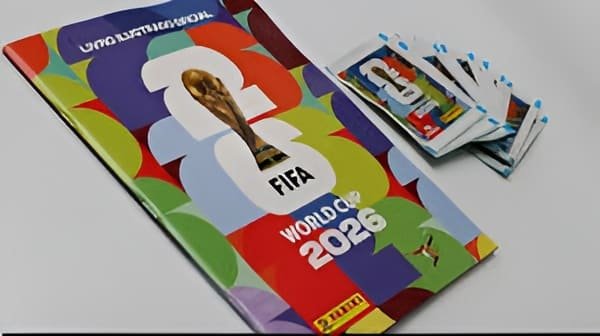
The introduction of New Football Rules for the 2026 World Cup is set to change how the world’s biggest football tournament is played, managed, and experienced by fans. As FIFA prepares for the first-ever 48-team World Cup hosted by the United States, Canada, and Mexico, several rule changes and officiating updates are expected to impact matches significantly. These adjustments are designed to improve game flow, reduce time-wasting, increase fairness, and enhance the overall viewing experience for supporters worldwide.
Why FIFA Is Introducing New Rules
Football continues to evolve, and FIFA regularly updates regulations to keep the game competitive, entertaining, and fair. The 2026 World Cup represents a major milestone due to its expanded format and increased number of matches.
With more teams competing than ever before, FIFA aims to ensure consistency in officiating while minimizing tactics that slow down matches. The focus is on creating a faster, more transparent, and fan-friendly version of football.
Expanded 48-Team Tournament Format
One of the biggest changes for FIFA World Cup 2026 is the expansion from 32 to 48 teams.
This new structure provides opportunities for more nations to participate on football’s biggest stage. It also increases the number of matches, creates new rivalries, and gives emerging football nations a chance to compete against traditional powerhouses.
The expanded format is expected to make the tournament more competitive while helping football grow globally.
Stricter Time-Wasting Regulations
Time-wasting has become one of the most criticized aspects of modern football. To address this issue, FIFA and football lawmakers have introduced stricter measures aimed at keeping the ball in play for longer periods.
Goalkeepers, players delaying restarts, and teams attempting to slow down the game may face quicker disciplinary action from referees. These measures are designed to increase active playing time and maintain the intensity of matches.
For fans, this means fewer interruptions and more football action throughout the tournament.
Increased Transparency in VAR Decisions
Video Assistant Referee (VAR) technology has become a major part of football, but it has also generated controversy.
For the 2026 World Cup, FIFA is expected to continue improving VAR communication and decision-making processes. Greater transparency could allow fans in stadiums and viewers at home to better understand why certain decisions are made.
The objective is to reduce confusion and improve trust in officiating decisions during crucial moments.
Enhanced Protection for Players
Player safety remains one of FIFA’s top priorities. Modern football is faster and more physically demanding than ever before, increasing the risk of injuries.
New regulations place greater emphasis on protecting players from dangerous tackles, reckless challenges, and unnecessary physical contact. Referees are expected to apply stricter standards when evaluating potentially harmful fouls.
This approach helps preserve player welfare while maintaining the competitive nature of the sport.
Faster Match Restarts
Football authorities have been working to reduce delays during throw-ins, goal kicks, free kicks, and substitutions.
The FIFA World Cup 2026 is expected to place greater emphasis on restarting play quickly. Referees may be instructed to take stronger action against players who intentionally delay restarts to waste time.
This change benefits spectators by increasing the pace of matches and reducing unnecessary interruptions.
Semi-Automated Offside Technology
One of the most successful recent innovations in football officiating has been semi-automated offside technology.
The system uses advanced tracking technology to assist referees in making faster and more accurate offside decisions. FIFA is expected to continue utilizing and refining this technology throughout the 2026 World Cup.
By reducing human error and speeding up reviews, the system helps maintain fairness while minimizing lengthy delays.
More Accurate Added Time
Recent international tournaments introduced a more precise approach to calculating stoppage time. Instead of estimating lost time, officials now account for substitutions, injuries, VAR reviews, celebrations, and other delays more accurately.
As a result, fans can expect longer but fairer periods of added time during World Cup matches.
This change encourages teams to focus on playing football rather than attempting to waste valuable minutes.
How These Rule Changes Could Impact Teams
The new football regulations may favor teams that rely on high-intensity pressing, quick transitions, and attacking football.
Nations known for controlling possession and maintaining a fast tempo could benefit from reduced opportunities for opponents to disrupt the flow of matches.
Teams that previously depended on defensive time-management strategies may need to adjust their tactics to remain competitive under the updated rules.
What Fans Should Expect
For football supporters, the 2026 World Cup could deliver one of the most entertaining tournaments in history. Faster restarts, improved officiating technology, stricter enforcement against time-wasting, and greater transparency are all designed to improve the fan experience.
Combined with the expanded 48-team format, these changes could produce more goals, more attacking football, and more dramatic moments throughout the competition.
Conclusion
As football enters a new era, the New Football Rules for the 2026 World Cup are expected to shape the future of the game at the highest level. From enhanced VAR systems and stricter time-wasting penalties to improved player protection and faster match restarts, FIFA’s latest changes aim to make the tournament fairer, faster, and more exciting for players and fans alike. Whether you are a casual viewer or a passionate football supporter, understanding these new rules will help you appreciate the tactical and competitive changes that could define the FIFA World Cup 2026.
