
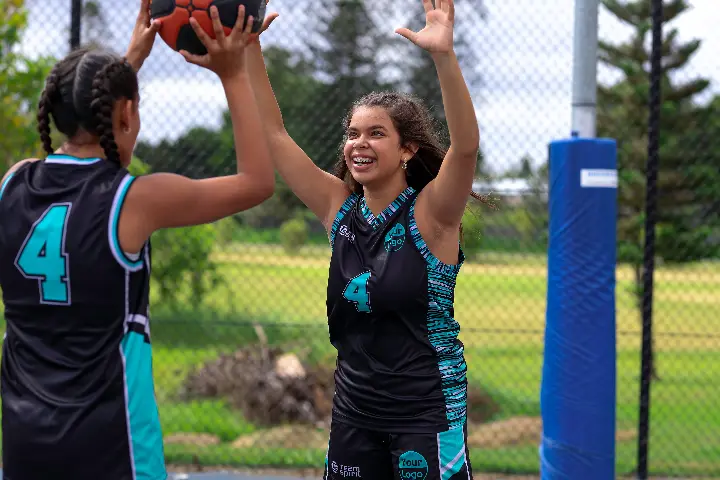
During summer workouts, rising temperatures and increased sweating make fabric characteristics more important than ever when choosing sportswear. Technical fabrics that quickly move sweat to the outer surface, support air circulation, and dry in a short time can provide a more comfortable wearing experience for running, outdoor walking, and other summer activities. For this reason, in summer sports, breathability and moisture-management properties should be evaluated alongside criteria such as style and color.
Breathable fabrics help prevent moisture from remaining on the fabric for long periods. This can reduce the garment becoming heavy, sticking to the skin, and causing discomfort during movement. Especially during workouts in hot weather, these features are among the important factors that directly affect wearing comfort.
So, how can you tell whether a fabric is breathable? Which features should you pay attention to when choosing the right fabric for summer sports? Below, you can find the key fabric characteristics and tips that can make the selection process easier for a more comfortable sports experience in summer heat.
How Can You Identify Breathable Fabrics?
It may not always be possible to identify a breathable sports garment simply by touching it. However, product descriptions and the technical properties of the fabric provide important clues for making the right choice. When evaluating products you will use for summer sports, you can pay attention to the following features.
1. Check the Technical Fabric Features
Technical fabric information in product descriptions is one of the first things to review. Technical fabrics developed for sportswear are designed to support sweat management, increase air circulation, and provide more comfortable wear during movement.
2. Choose Lightweight and Flexible Textures
The weight of the fabric can directly affect the wearing experience during summer. Lightweight and flexible textures may place less strain on the body during movement. Thick and rigid fabrics, on the other hand, may feel more stifling in hot weather.
3. Pay Attention to Air-Permeable Construction
One of the most important features of breathable fabrics is their ability to support air circulation. Fabrics with high air permeability can provide a fresher wearing experience, especially during running, outdoor walking, and other summer activities.
4. Review Moisture-Transfer Properties
Moisture-management technologies that move sweat to the outer surface of the fabric can help reduce the feeling of dampness in hot weather. This can help prevent the fabric from sticking to the skin and becoming heavy while also supporting wearing comfort throughout the workout.
5. Choose Quick-Drying Fabrics
For summer sports, quick-drying performance is one of the criteria that is just as important as breathability. Quick-drying technical fabrics help prevent sweat from remaining on the fabric for long periods. Especially during running, walking, and outdoor workouts, they can help the garment retain its light feel.
Dossha sportswear products, which offer technical fabric options suited to different workout needs, are also among the alternatives that can be considered for summer sports thanks to features such as breathability, lightness, and quick drying.
How Does Fabric Selection for Summer Sports Change According to Activity?
Not every sport performed in summer creates the same level of movement and sweating. For this reason, when choosing a breathable fabric, it is important to consider not only how the product looks but also which workouts it will be used for.
During running, the body can begin sweating heavily in a short time. For this reason, technical fabrics that move sweat to the outer surface, dry quickly, and have a lightweight structure can increase wearing comfort. This can help prevent the garment from becoming heavy while also supporting freedom of movement.
For long outdoor walks under the sun, fabrics with high air permeability stand out. Structures that support air circulation can help provide a fresher feel in hot weather.
During cycling, constant movement and the effect of wind are experienced together. Lightweight, flexible technical fabrics that adapt to the body can support mobility while pedaling and provide wearing comfort on long rides.
During trekking activities that may last for hours, moisture management becomes important. Fabrics that move sweat to the outer surface and dry quickly can help reduce the feeling of dampness that may occur during extended wear.
Choosing fabric features suited to the needs of the activity can improve both movement comfort and the overall wearing experience in summer sports. For this reason, when selecting sportswear, the design and the technical features required by the planned workout should be considered together.
5 Common Mistakes When Choosing Fabrics for Summer Sports
When exercising in summer, fabric selection directly affects the wearing experience felt throughout the workout. Some mistakes related to fabric structure can make movement more difficult in hot weather. The most common mistakes are:
1. Choosing everyday fabrics for sports
Fabrics used in everyday clothing may not always meet workout needs. Technical fabrics developed for sportswear offer different performance features.
2. Choosing non-breathable fabrics
Fabrics that do not support air circulation can increase the feeling of sweating in hot weather. For this reason, breathable fabrics stand out for summer sports.
3. Ignoring quick-drying performance
Fabrics that remain damp for a long time after heavy sweating can negatively affect wearing comfort. Quick-drying technical fabrics can offer an advantage in this respect.
4. Not considering the fabric’s elasticity
Fabrics without a flexible structure may not provide the desired adaptability during movement. This feature becomes especially important in running, fitness, and stretching exercises.
5. Continuing to use worn sportswear
The structure and performance of fabric can change over time. It may be useful to check products periodically if they have lost their elasticity or breathability.
Layering and Fabric Compatibility in Summer Sports
Although the weather is hot in summer, temperature changes may occur in the early hours of the day, during evening workouts, or in high-altitude outdoor activities. For this reason, creating outfits made up of breathable layers rather than wearing a single thick piece can provide more functional use.
For the first layer, T-shirts or tank tops made from technical fabrics that move sweat away from the body can be preferred. When needed, a lightweight, air-permeable sports jacket or thin outer layer can be added to adapt easily to changing weather conditions. This supports the release of sweat generated during movement while also helping preserve wearing comfort during short periods of cooler weather.
It is also important for all pieces used in layered outfits to have similar technical properties. Using breathable and quick-drying fabrics together can provide a more balanced wearing experience than adding a layer that blocks air circulation over a single technical garment. Dossha sportswear products, which offer technical fabric options suited to different summer activities, are also among the alternatives that can be considered when creating layered outfits.
How Should Summer Sportswear Be Cared For?
Because sportswear is used more frequently during summer, care also becomes more important. Washing regularly worn products correctly can help the fabric retain its original structure for longer.
It is a good habit not to leave sweaty clothing in a gym bag for long after a workout. Airing or washing it as soon as possible can help the fabric stay cleaner.
Following the instructions on the product label during washing is another point to keep in mind. Not every fabric is suitable for washing at the same temperature. Following the recommended washing conditions can extend the product’s lifespan.
Choosing gentler detergents instead of strong chemicals and, where possible, washing with similar colors can also help preserve the appearance of the fabric.
Key Points for Choosing the Right Fabric for Summer Sports
When choosing sportswear in summer, the technical features of the fabric should be evaluated together with the style and color. Breathable fabrics that support air circulation, move sweat to the outer surface, and dry quickly can provide a more balanced wearing experience during workouts in hot weather.
In addition, the type of sport you choose also plays a determining role in fabric selection. For high-intensity activities such as running and cardio, lightweight and quick-drying fabrics stand out. For long-duration activities such as outdoor walking and trekking, fabrics with strong moisture management and high air permeability can provide more comfortable wear. In fitness and functional training, flexible fabrics support freedom of movement in addition to breathability.
To create a sports wardrobe that can be used for a long time, it is useful to evaluate fabric characteristics, intended use, and product fit together. Dossha sportswear products, which offer options suited to different summer activities, provide breathable, lightweight, and quick-drying fabric alternatives that can be considered for different needs ranging from running to outdoor sports.
