
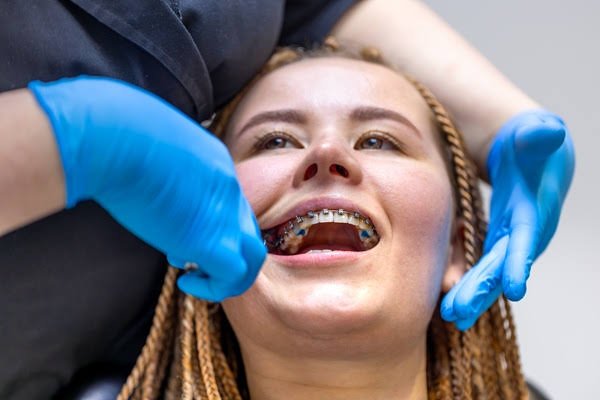
There was a time when braces were seen as a teenage rite of passage, a bit like school formals and awkward yearbook photos. These days, that idea feels a little outdated. Adults across Australia are booking orthodontic appointments for all sorts of reasons, from bite problems to confidence to the simple wish to finally sort out teeth that have bothered them for years. And fair enough. Teeth do not stop mattering once the school bell stops ringing. If anything, adult life throws more at them. Coffee, red wine, stress grinding, missed check-ups, the odd hockey elbow to the mouth. A lot happens over the years. For many people, the main shift is mindset. Adults tend to know what they want. They are not chasing a perfect celebrity smile. They want comfort, proper alignment, and teeth that feel easier to clean. That is a very practical kind of motivation, and it often wins out over the old “I should have done this sooner” thinking.
It is never just about looks
Straight teeth get plenty of attention for cosmetic reasons, sure, but orthodontic treatment often has more going on underneath the surface. Crowding can make brushing a nuisance. Gaps can trap food in all the wrong places. A poor bite may lead to uneven wear, jaw strain, or a bit of morning grumpiness from clenching through the night.
Common reasons adults seek treatment
Teeth that have shifted over time
Uneven bites causing wear or discomfort
Difficulty cleaning crowded teeth properly
Spaces that make chewing less efficient
Wanting more confidence when smiling or speaking
These concerns are not dramatic on their own, but together they can become a daily nuisance. A chipped tooth here, sore jaw there, the nagging feeling that flossing has turned into a small-scale demolition job. Orthodontics can tidy up more than appearance.
Adult treatment is more flexible than people expect
The phrase “braces” still makes some adults think of large metal brackets and painful school lunches. That image is a bit stuck in the past. Modern orthodontic care offers a much broader mix of treatment choices, many of them far less obvious than traditional braces.
Options that suit adult lifestyles
Clear aligners have become popular for good reason. They are discreet, removable, and easier to live with for people who work in client-facing jobs or public roles. Traditional braces still have their place too, especially when the bite needs more involved correction. Ceramic braces, lingual braces, and other treatment styles can also be suitable, depending on the case.
The nice thing is that treatment can often be tailored around work, travel, and social life. That matters in Australia, where adults are often balancing long commutes, family duties, and the occasional road trip that somehow turns into a whole weekend.
If someone is looking for the best orthodontist in Canberra , they are usually after more than just a technical fix. They want someone who explains things clearly and gives them options that actually fit real life, not just a textbook plan.
Why age is not the barrier people think it is
The old idea that orthodontics only works for children and teens is a myth that keeps hanging around like a guest who missed the hint. Teeth move throughout life. That means adults can benefit from orthodontic treatment too, provided their gums and supporting structures are healthy enough for it.
What changes in adult mouths
Adults may have more to consider than younger patients. Existing fillings, crowns, worn teeth, gum health, and previous dental work can all influence the treatment plan. That is not a problem, just part of the picture. A good orthodontic assessment looks at the whole mouth, not only the teeth that show up in a smile. In many cases, adults are actually excellent orthodontic candidates because they are committed. They tend to follow instructions, wear aligners properly, and keep appointments. No surprise there. When someone has decided to fix something they have thought about for years, they usually mean business.
The confidence factor is not shallow
People sometimes act as though wanting a better smile is vain. That is a bit unfair. Smiling, speaking, laughing, and eating in public are everyday things. If someone feels self-conscious doing any of them, it can take the shine off ordinary moments. A more even smile can make photos less awkward, work meetings less nerve-racking, and social events a little easier to enjoy. That does not mean treatment changes a person’s life overnight in some movie-style transformation. It is usually subtler than that. Still, even small confidence shifts can ripple out in surprising ways.
Little things adults often notice
Smiling in photos without overthinking it
Speaking more freely in work or social settings
Feeling less bothered by crowded or uneven teeth
Keeping up better with brushing and flossing
These things matter. Not in a grand, dramatic way, just in the steady, everyday sense that shapes how people feel about themselves.
What treatment can look like day to day
A lot of adults worry orthodontics will take over their routine. There is usually an adjustment period, naturally. Any dental treatment asks for a bit of patience. But after the first few weeks, many people settle into it. Aligners need discipline. They work best when worn as directed, and that means remembering to pop them back in after meals and coffee breaks. Braces need care with food choices and cleaning. Sticky toffees and hard lollies are not exactly ideal companions. That part is not glamorous, but then again neither is floss fishing.
The good news is that most adults adapt quickly. They learn the little habits that keep treatment moving. Many even find the routine reassuring. A clear plan, regular progress, visible changes. There is something quietly satisfying about that.
Regional realities matter too
Orthodontic care in Australia is shaped by practical things that vary from one region to another. In Canberra, for example, people often juggle work in the public sector, school runs, and fairly busy schedules. In Sydney or Melbourne, it might be long commutes and fast-paced office life. In regional areas, travel time to appointments can be part of the planning. That is why adult orthodontic treatment often works best when it is flexible and well explained. People want to know how many visits are needed, what home care looks like, and whether treatment can fit around a school holiday, a business trip, or a family event that somehow got booked right in the middle of everything. A straight smile is nice. A treatment plan that respects real life is even nicer.
Questions adults often ask before starting
Will it hurt?
There may be some pressure or tenderness, especially after adjustments or when starting aligners. Most adults describe it as annoying rather than unbearable. A bit of tenderness is usually part of the process.
How long will it take?
That depends on the complexity of the case. Some treatments take months, others a little longer. Adults often like having a timeline, and fair enough, it helps with planning.
Will people notice?
Sometimes yes, sometimes barely. Clear aligners are quite subtle. Other options are more visible, though many adults find that a temporary trade-off worth making.
Is it worth starting later in life?
For plenty of people, absolutely. A better bite, easier cleaning, and a smile that feels less of a bother can be worth the effort at any age.
The right time is usually when you are ready
There is no magical cutoff point where orthodontic care suddenly stops making sense. Plenty of adults begin treatment in their thirties, forties, fifties, and beyond. The reasons vary, but the pattern is familiar enough. They have lived with a smile they never quite liked, or a bite that has slowly caused trouble, and eventually they decide it is time to sort it out. That decision often brings a surprising sense of relief. Not because treatment is exciting every day. Let’s be honest, no one wakes up thrilled about elastics. But because action beats putting it off forever. And that, for many adults, is the real turning point.
A straighter smile can be a practical choice
Adult orthodontics is not about chasing perfection. It is about comfort, function, and confidence that feels earned rather than forced. For some, it means easier brushing and healthier gums. For others, it means smiling without the old self-conscious pause. For many, it is simply a long-overdue decision that finally fits the moment. A mouthful of crooked teeth may have been tolerated for years, but tolerated is not the same as solved. If the time feels right, there is nothing unusual about starting now. Plenty of Australians do, and they are not doing it for show. They are doing it because it makes sense.
