
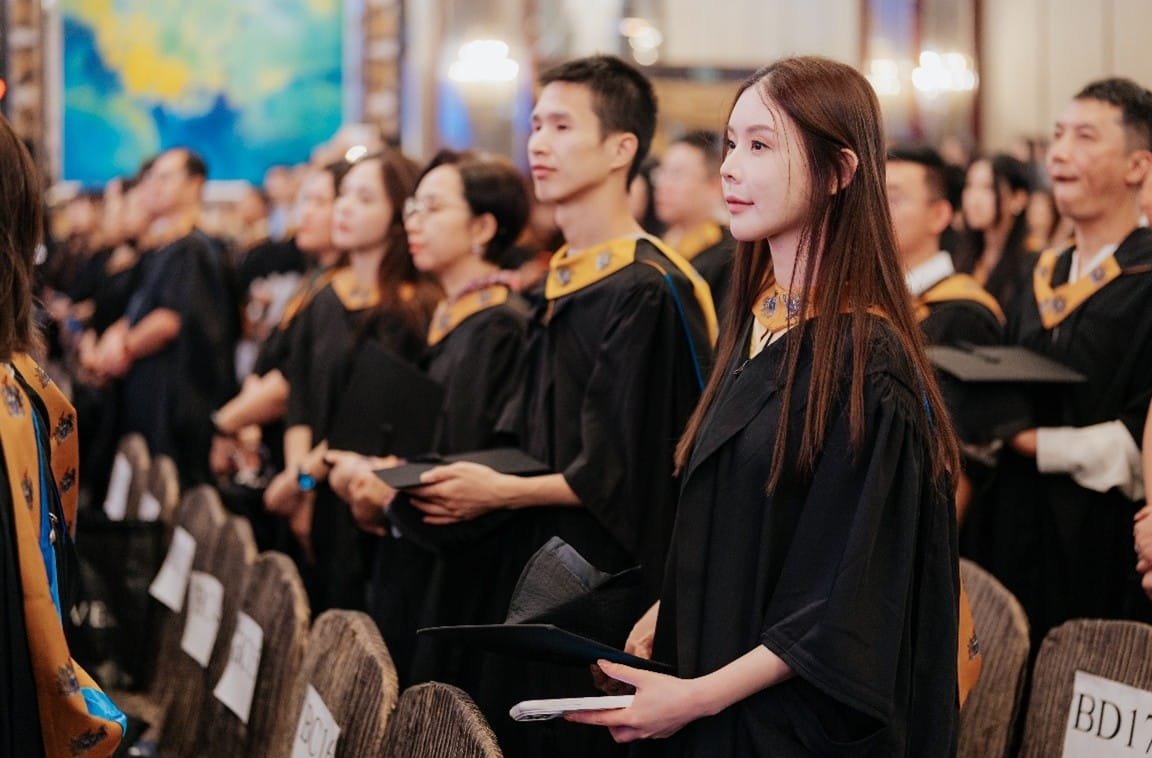
Singapore has become one of Asia’s most respected destinations for higher education, attracting students, professionals, and executives from around the world. An MBA in Singapore offers a unique combination of academic excellence, global business exposure, multicultural learning environments, and access to one of the strongest economies in the region.
For many students, choosing an MBA is about more than earning a degree. It is an investment in career growth, leadership development, networking opportunities, and long-term earning potential. Singapore stands out because it serves as a major business hub connecting Asia, Europe, and North America. This strategic position allows MBA graduates to gain valuable insights into international business practices while building connections with multinational corporations, startups, and financial institutions.
The country is also known for its safety, modern infrastructure, innovation-driven economy, and strong employment market. These advantages make Singapore an attractive destination for professionals seeking both educational and career advancement opportunities.
Why Choose an MBA in Singapore?
Singapore has earned a strong reputation as a global business and financial center. Many international companies have established regional headquarters in the country, creating a favorable environment for MBA graduates.
Key reasons students choose Singapore include:
- Globally recognized business schools
- International faculty and diverse student communities
- Strong corporate partnerships
- Excellent networking opportunities
- Strategic location in Asia
- High employability rates
- Safe and modern living environment
- Access to multinational companies
An MBA program in Singapore often combines theoretical knowledge with practical business applications. Students are exposed to real-world business challenges through case studies, consulting projects, industry collaborations, and leadership workshops.
Types of MBA Programs Available in Singapore
Business schools in Singapore offer several MBA formats designed to accommodate different career stages and professional goals.
Full-Time MBA
A full-time MBA is ideal for professionals who want to focus entirely on their studies. These programs generally take between 12 and 24 months to complete and provide extensive networking opportunities.
Part-Time MBA
Part-time MBA in Singapore are designed for working professionals who wish to continue their careers while studying. Classes are usually scheduled during evenings or weekends.
Executive MBA (EMBA)
Executive MBA programs target experienced managers, directors, and senior executives. These programs focus heavily on leadership, strategy, organizational management, and business transformation.
Global MBA
Global MBA programs provide international exposure through overseas modules, exchange opportunities, and global business projects.
Admission Requirements for MBA in Singapore
Admission criteria vary among institutions, but most MBA programs require applicants to demonstrate academic capability, professional experience, and leadership potential.
Typical admission requirements include:
| Requirement | Details |
| Bachelor’s Degree | Recognized undergraduate qualification |
| Work Experience | Usually 2–5 years minimum |
| English Proficiency | IELTS, TOEFL, or equivalent |
| Resume/CV | Professional experience summary |
| Recommendation Letters | Academic or professional references |
| Statement of Purpose | Career goals and motivation |
| Interview | Required by many institutions |
Strong leadership experience, project management responsibilities, and career achievements can significantly strengthen an application.
MBA Specializations in Singapore
One reason MBA programs remain popular is the flexibility to specialize in areas aligned with career goals.
Popular MBA specializations include:
Finance
Finance remains one of the most sought-after MBA concentrations. Students learn investment management, financial analysis, corporate finance, risk management, and banking operations.
Marketing
Marketing specializations focus on consumer behavior, brand management, digital marketing, strategic communication, and market research.
Business Analytics
Business analytics has grown rapidly due to increasing demand for data-driven decision-making. Students develop skills in data interpretation, predictive analysis, and business intelligence.
Human Resource Management
This specialization focuses on talent acquisition, organizational behavior, leadership development, and workforce strategy.
International Business
International business programs prepare students for global leadership roles involving international markets, cross-border operations, and multinational business management.
Entrepreneurship
Entrepreneurship tracks help students understand startup development, innovation management, venture financing, and business scaling strategies.
MBA Fees in Singapore
The cost of an MBA in Singapore varies depending on the institution, program structure, and duration.
The average tuition fee generally ranges between SGD 30,000 and SGD 100,000 or more for premium executive and internationally recognized MBA programs.
Additional expenses may include:
- Accommodation
- Health insurance
- Transportation
- Study materials
- Student services
- Daily living costs
Students should carefully evaluate the total cost of attendance rather than tuition fees alone.
Scholarships and Financial Assistance
Many students seek scholarships to reduce the financial burden of pursuing an MBA.
Common funding opportunities include:
- Merit-based scholarships
- Leadership scholarships
- Corporate sponsorships
- Government funding schemes
- Diversity scholarships
- Women leadership scholarships
- Industry-specific grants
Applicants with strong academic records, leadership achievements, and professional accomplishments often have greater scholarship opportunities.
Career Opportunities After an MBA in Singapore
One of the biggest advantages of MBA in Singapore in Singapore is access to a highly developed employment market.
MBA graduates commonly pursue careers in:
- Financial Services
- Investment Banking
- Management Consulting
- Technology Companies
- Healthcare Management
- Supply Chain Management
- Marketing Leadership
- Business Development
- Corporate Strategy
- Entrepreneurship
Many multinational corporations actively recruit MBA graduates due to their advanced management skills and strategic thinking capabilities.
Expected Salary After MBA
MBA salaries vary based on industry, experience level, and specialization.
| Industry | Potential Career Path |
| Finance | Financial Manager, Investment Analyst |
| Consulting | Business Consultant, Strategy Consultant |
| Technology | Product Manager, Operations Manager |
| Marketing | Marketing Manager, Brand Director |
| Human Resources | HR Manager, Talent Director |
| Supply Chain | Logistics Manager, Operations Head |
Professionals with strong experience before entering an MBA program often achieve greater salary growth after graduation.
How to Choose the Right MBA Program
Selecting the right MBA requires more than comparing rankings.
Consider the following factors:
Career Objectives
Define your long-term goals before choosing a program. Some MBA programs focus heavily on entrepreneurship, while others emphasize consulting, finance, or leadership.
Industry Connections
Programs with strong corporate partnerships can provide internships, networking opportunities, and recruitment pathways.
Class Profile
Review the average work experience, international diversity, and professional backgrounds of students.
Alumni Network
A strong alumni network can support career advancement long after graduation.
Return on Investment
Evaluate tuition costs against career outcomes, salary growth, and professional opportunities.
Is an MBA in Singapore Worth It?
For many professionals, the answer is yes.
Singapore offers a rare combination of world-class education, global business exposure, strong employment opportunities, and access to one of Asia’s most influential economies.
Students benefit from learning in a multicultural environment while gaining exposure to real business challenges. The connections formed during an MBA often become valuable career assets for years to come.
For professionals aiming to move into leadership positions, transition industries, expand international opportunities, or strengthen their business expertise, an MBA in Singapore remains one of the strongest educational investments available in Asia.
Frequently Asked Questions (FAQs)
How long does an MBA in Singapore take?
Most full-time MBA programs take between 12 and 24 months, while part-time and executive programs may take longer depending on study schedules.
Can international students study MBA in Singapore?
Yes. Singapore welcomes international students and offers globally recognized MBA programs with diverse student communities.
What is the average MBA fee in Singapore?
MBA tuition fees generally range from SGD 30,000 to SGD 100,000+, depending on the institution and program type.
Is work experience required for MBA admission?
Most MBA programs require applicants to have at least two years of professional work experience, though requirements vary.
Which MBA specialization has the best career prospects?
Finance, Business Analytics, Technology Management, Consulting, and International Business are among the most popular and high-demand specializations.
Can MBA graduates work in Singapore after graduation?
Many graduates pursue employment opportunities in Singapore, particularly in finance, consulting, technology, logistics, and corporate management sectors.
Is Singapore a good destination for MBA studies?
Yes. Singapore is widely recognized for its strong economy, global business environment, high-quality education system, and excellent career opportunities.
