
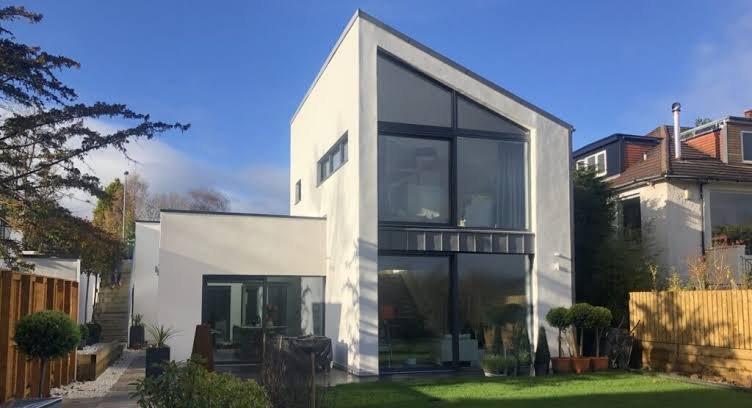
As climate patterns continue to evolve, extreme weather events are becoming more frequent and more intense across many parts of the world. Heat waves, severe storms, heavy rainfall, flooding, and unexpected cold snaps are no longer isolated occurrences—they are increasingly influencing how homes, commercial buildings, and public facilities are designed and maintained.
One of the most significant changes is the growing emphasis on climate control systems that can adapt to unpredictable weather conditions while maintaining indoor comfort, energy efficiency, and occupant safety. Modern building design is no longer focused solely on aesthetics or structural integrity; it now prioritizes resilience, sustainability, and healthy indoor environments.
This article explores how extreme weather is transforming building design and climate control strategies, highlighting the innovations helping property owners prepare for an uncertain future.
Why Extreme Weather Is Driving Change
Scientists and engineers have observed a noticeable increase in weather-related challenges over the past decade. Extended periods of high temperatures, stronger hurricanes, intense rainfall, and fluctuating seasonal conditions place additional stress on buildings and their mechanical systems.
Traditional construction methods were often designed around historical weather patterns. Today’s buildings, however, must be prepared for conditions that are becoming increasingly unpredictable.
Modern architects, engineers, and facility managers now consider climate resilience an essential part of every new construction project and major renovation.
The Growing Importance of Climate-Responsive Building Design
Climate-responsive design focuses on creating buildings that perform efficiently despite changing environmental conditions.
Some of its primary objectives include:
- Improving energy efficiency
- Enhancing occupant comfort
- Protecting building materials
- Reducing operational costs
- Supporting healthier indoor environments
- Minimizing environmental impact
These goals require a combination of thoughtful architecture, high-performance insulation, advanced HVAC systems, and smart building technologies.
Smarter HVAC Systems for a Changing Climate
Heating, ventilation, and air conditioning (HVAC) systems are at the center of climate control. As weather extremes become more common, modern HVAC systems are evolving to deliver better performance while consuming less energy.
Today’s systems often include:
- Variable-speed compressors
- Smart thermostats
- Zoned temperature control
- Energy recovery ventilation
- High-efficiency filtration
- Remote monitoring capabilities
These technologies help maintain stable indoor temperatures even when outdoor conditions fluctuate dramatically.
Indoor Air Quality Is More Important Than Ever
Extreme weather often forces people to spend more time indoors. During heat waves, storms, wildfires, or periods of poor outdoor air quality, homes and commercial buildings become essential shelters.
This makes indoor air quality a major priority.
Proper ventilation and filtration help reduce exposure to:
- Dust
- Allergens
- Mold spores
- Smoke particles
- Airborne bacteria
- Volatile organic compounds (VOCs)
Maintaining clean indoor air contributes to healthier living and improved workplace productivity.
Building Materials Are Becoming More Resilient
Modern buildings increasingly incorporate materials designed to withstand harsher environmental conditions.
Examples include:
- Moisture-resistant insulation
- Impact-resistant roofing
- Flood-resistant flooring
- UV-resistant exterior coatings
- Corrosion-resistant structural components
These materials help extend building lifespan while reducing repair and maintenance costs following severe weather events.
Smart Buildings Are Changing Climate Control
Technology is transforming how buildings respond to environmental conditions.
Smart building systems continuously monitor:
- Indoor temperature
- Humidity
- Occupancy
- Air quality
- Energy consumption
- Equipment performance
Using connected sensors and automation, these systems can make real-time adjustments that improve comfort while reducing unnecessary energy use.
Predictive analytics also help identify potential HVAC issues before they become costly failures.
Energy Efficiency Is a Top Priority
Extreme temperatures often lead to higher energy demand. Efficient climate control systems reduce operating costs while lowering environmental impact.
Many building owners are investing in:
- High-efficiency HVAC equipment
- Improved insulation
- Low-emissivity windows
- Solar shading systems
- Energy-efficient lighting
- Building automation systems
Together, these upgrades reduce energy consumption while maintaining comfortable indoor environments throughout the year.
Why Preventive HVAC Maintenance Matters
As HVAC systems work harder during periods of extreme heat or cold, routine maintenance becomes increasingly important.
Preventive maintenance helps:
- Improve energy efficiency
- Reduce unexpected breakdowns
- Extend equipment lifespan
- Maintain healthy indoor air quality
- Lower repair costs
- Improve occupant comfort
For property owners seeking reliable hvac maintenance houston tx, scheduled inspections and seasonal tune-ups can help ensure heating and cooling systems remain dependable even during the most demanding weather conditions.
Routine maintenance also helps identify worn components before they develop into major mechanical failures.
Emergency Preparedness for HVAC Systems
Extreme weather can place tremendous stress on heating and cooling equipment. Unexpected equipment failures during dangerous weather conditions may compromise both comfort and safety.
Having access to dependable emergency hvac repair houston services allows homeowners and businesses to restore climate control quickly when unexpected breakdowns occur.
Emergency preparedness should include:
- Regular equipment inspections
- Backup power planning
- Filter replacement schedules
- Drainage system maintenance
- Thermostat testing
- Airflow evaluations
Proactive planning minimizes downtime while protecting occupants during severe weather events.
Climate Control in Commercial Buildings
Commercial buildings face unique challenges during extreme weather.
Offices, hospitals, schools, hotels, warehouses, and retail facilities all rely on consistent indoor conditions to support daily operations.
Climate control systems help protect:
- Employees
- Customers
- Inventory
- Medical supplies
- Electronic equipment
- Sensitive manufacturing processes
As weather becomes increasingly unpredictable, commercial property owners continue investing in resilient HVAC infrastructure capable of operating efficiently under demanding conditions.
Sustainable Design Supports Long-Term Resilience
Sustainability and climate resilience often work hand in hand.
Modern buildings increasingly incorporate environmentally responsible design features such as:
- Green roofs
- Rainwater harvesting
- Solar energy integration
- Natural daylight optimization
- High-performance building envelopes
- Efficient ventilation systems
These improvements reduce environmental impact while helping buildings perform better under changing climate conditions.
The Human Benefits of Better Climate Control
Climate-responsive buildings provide more than energy savings.
Occupants also experience:
- Better indoor comfort
- Improved concentration
- Reduced fatigue
- Better sleep quality
- Healthier indoor air
- Increased workplace productivity
Comfortable indoor environments support both physical and mental well-being, making climate control an important investment in overall quality of life.
Preparing Buildings for the Future
Extreme weather is expected to remain a defining challenge for architects, engineers, and property owners in the years ahead.
Preparing for this future requires more than simply installing larger heating or cooling equipment. It involves designing buildings that work intelligently with their surrounding environment while maximizing efficiency, resilience, and occupant comfort.
Property owners who invest in preventive maintenance, energy-efficient HVAC technologies, resilient building materials, and smart automation systems are better positioned to withstand future climate challenges.
As innovation continues to shape the construction industry, climate-responsive building design will play an increasingly important role in creating healthier, safer, and more sustainable indoor spaces.
Frequently Asked Questions
How does extreme weather affect building design?
Extreme weather encourages architects and engineers to design buildings with stronger materials, better insulation, improved drainage, advanced HVAC systems, and energy-efficient features that can withstand changing environmental conditions.
Why is climate control becoming more important?
More frequent heat waves, storms, and temperature fluctuations require buildings to maintain comfortable indoor conditions while operating efficiently and protecting occupants.
How can HVAC systems improve resilience?
Modern HVAC systems provide efficient heating, cooling, ventilation, humidity control, and air filtration, helping buildings remain comfortable during severe weather while improving indoor air quality.
Why is preventive HVAC maintenance important?
Routine maintenance helps identify potential issues early, improves system efficiency, extends equipment lifespan, reduces energy costs, and minimizes the risk of unexpected breakdowns during extreme weather.
What technologies are shaping the future of climate control?
Smart thermostats, building automation systems, predictive maintenance, high-efficiency HVAC equipment, advanced filtration, energy recovery ventilation, and connected sensors are helping buildings adapt to changing climate conditions while reducing energy consumption.
Conclusion
Extreme weather is reshaping the future of building design in profound ways. From resilient construction materials and energy-efficient HVAC systems to smart automation and healthier indoor environments, modern buildings are evolving to meet the demands of a changing climate.
By embracing proactive maintenance, sustainable design principles, and advanced climate control technologies, homeowners and businesses can create spaces that remain comfortable, efficient, and resilient throughout every season. Investing in these strategies today helps ensure buildings are better prepared for the environmental challenges of tomorrow while enhancing the health, productivity, and well-being of everyone inside.
