
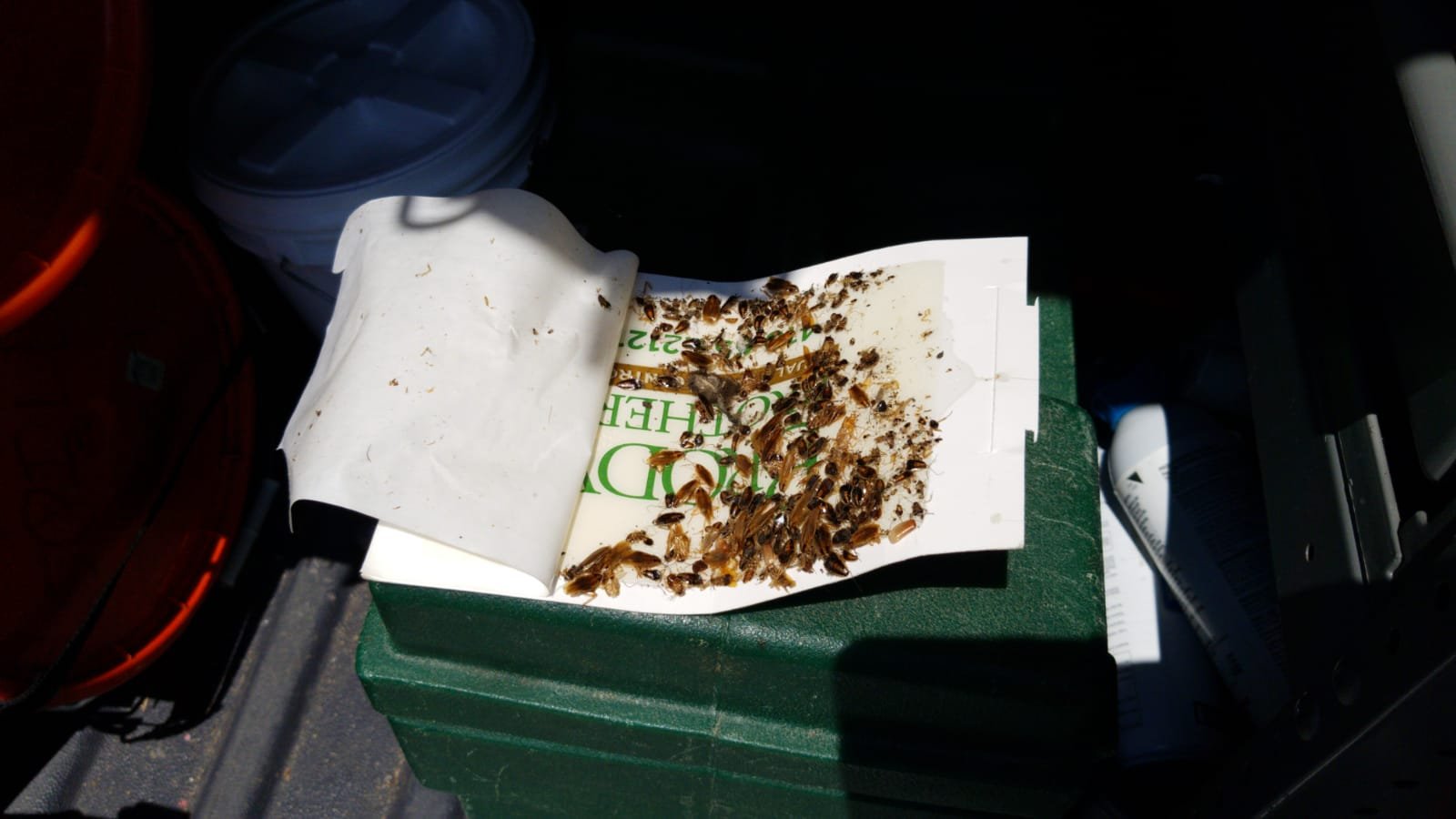
Pulling the fridge away from the wall during a deep clean can reveal an unpleasant surprise: cockroaches, droppings, shed skins, or small dark marks around the motor area. It is easy to hope that the discovery is limited to one neglected corner, especially if only a few insects are visible. However, cockroaches behind a fridge often point to a larger hidden issue in the kitchen. The space provides warmth, shelter, moisture and access to food particles, making it an ideal place for cockroaches to hide when they are not active.
Why Cockroaches Hide Behind Fridges
The area behind and beneath a fridge offers conditions that cockroaches actively seek. The compressor and motor generate steady warmth, while the enclosed space remains dark and undisturbed for long periods. A drip tray, condensation, or a minor water leak can also provide moisture, which helps cockroaches survive even when food sources are limited.
Food debris is another major attraction. Small crumbs, grease residue, spills and dust can build up beneath appliances without being noticed during everyday cleaning. Over time, this mixture creates a reliable food source. Cockroaches can survive on very small amounts of organic material, so a kitchen does not need to appear dirty for the fridge area to become attractive.
The narrow gaps around appliance panels, skirting boards and nearby cabinetry also provide protected harbourage. Cockroaches prefer tight spaces where they can remain hidden from light, movement and disturbance. Once they settle behind a fridge, they may spread into adjoining cupboards, wall gaps, pipe openings and other concealed areas.
What This Discovery Usually Means
Finding one large cockroach may occasionally mean that an outdoor species has entered the home by chance. However, repeated sightings, small cockroaches, egg cases, droppings or young nymphs are more concerning. These signs can suggest an established infestation rather than an isolated visitor.
Cockroaches are nocturnal, so the number seen during a deep clean may not reflect the full scale of activity. The insects visible behind the fridge may only be part of a population hiding in nearby voids. Kitchen cupboards, the space under the sink, dishwasher edges, drains and gaps around plumbing are common areas where they can continue breeding unnoticed.
In apartments and attached homes, the issue can be more complex. Cockroaches may travel through shared wall cavities, plumbing routes and service ducts. This means cleaning one kitchen thoroughly is important, but it may not completely resolve activity if entry points or neighbouring sources remain untreated.
Risks of Ignoring the Issue
Cockroaches reproduce quickly when food, water and shelter are readily available. A small number behind the fridge can become a more widespread kitchen problem if it is left untreated. As their numbers grow, they may move into pantry areas, drawers, cupboards, appliances and wall cavities.
They can also contaminate food preparation areas as they travel across surfaces and through rubbish, drains and hidden spaces. Their droppings, shed skins, and other debris may contribute to allergy and asthma symptoms in sensitive people.
There is also a practical concern around electrical appliances. Cockroaches may shelter near motors, wiring and electrical gaps. Household chemicals should not be sprayed into or around electrical components without proper care. Australian pest-management guidance advises against applying liquid treatments around electrical apparatus, including refrigerator motors.
Immediate Cleaning Steps
Start by switching off and safely moving the fridge if possible, following the appliance manufacturer’s instructions. Vacuum loose debris, droppings and dust from the floor, wall edges and accessible spaces around the appliance. Wipe down the area carefully to remove grease, food residue and sticky spills that could continue attracting cockroaches.
Check the drip tray, nearby plumbing and floor for moisture. A leaking pipe, condensation issue or damp patch should be addressed promptly, as cockroaches need water as much as food. Clean the surrounding skirting boards, cupboard edges and floor seams, paying close attention to narrow gaps where debris can collect.
Food should be stored in sealed containers, rubbish bins should have secure lids, and pet food should not be left out overnight. It is also useful to inspect the nearby cabinets and under-sink area for gaps around pipes or damaged seals. Sealing accessible entry points can reduce movement between hidden kitchen spaces.
Professional Pest Control Solution
Cleaning removes food sources and makes the kitchen less attractive, but it may not reach cockroaches hiding inside wall cavities, appliance voids or inaccessible cracks. A targeted cockroach control service can assess the level of activity, identify likely harbourage zones and apply treatments in suitable locations.
Effective treatment is not simply about spraying visible insects. It involves locating nesting areas, monitoring activity and treating cracks, crevices and concealed spaces where cockroaches travel. Depending on the situation, technicians may use targeted baits, dusts or other approved methods that are appropriate for kitchen environments and hidden harbourage areas.
This approach is particularly useful when cockroaches continue appearing after cleaning, when young cockroaches are present, or when activity spreads beyond the fridge area. Addressing the hidden source helps reduce the chance of repeated sightings.
Preventing Future Infestations
Long-term prevention depends on removing the conditions that allow cockroaches to settle in the first place. Kitchens should be cleaned regularly, including areas beneath and behind major appliances. Even a monthly check can help prevent crumbs, grease and moisture from accumulating in places that are usually ignored.
Keeping sinks dry overnight, repairing leaks quickly and reducing clutter in cupboards can also make a meaningful difference. Food should be sealed, bins should be emptied regularly, and cardboard packaging should not be stored unnecessarily near kitchen areas. Small cracks around pipes, walls and cabinetry should be sealed where practical.
Homeowners dealing with recurring sightings should consider pest control Melbourne services to identify hidden breeding zones and reduce the risk of reinfestation. When cockroaches are found behind the fridge, early action is usually far easier than waiting for the problem to spread.
FAQs
Does finding cockroaches behind the fridge always mean there is an infestation?
Not always, as a single outdoor cockroach can enter accidentally. However, repeated sightings, small cockroaches, droppings, egg cases or shed skins often indicate ongoing activity nearby.
Why is the back of a fridge so attractive to cockroaches?
It provides warmth from the motor, darkness, shelter, possible moisture from condensation, and food debris that may collect beneath the appliance.
Can I spray insecticide behind my fridge?
Care is essential because fridge motors and wiring are electrical components. Avoid applying liquid insecticides around electrical apparatus, and seek professional advice if cockroach activity is close to appliance wiring.
Will deep cleaning alone get rid of cockroaches?
Deep cleaning is important because it removes food and moisture sources. However, it may not eliminate cockroaches hiding in wall gaps, cupboards, drains or appliance cavities.
How can I tell if cockroaches are breeding in my kitchen?
Young cockroaches, egg cases, shed skins, droppings and repeated sightings at night can all indicate that cockroaches are breeding or harbouring nearby.
How often should I clean behind the fridge?
A thorough clean every few months is useful, while more frequent checks may be needed if there has been previous cockroach activity, food spills, leaks or moisture around the appliance.
