
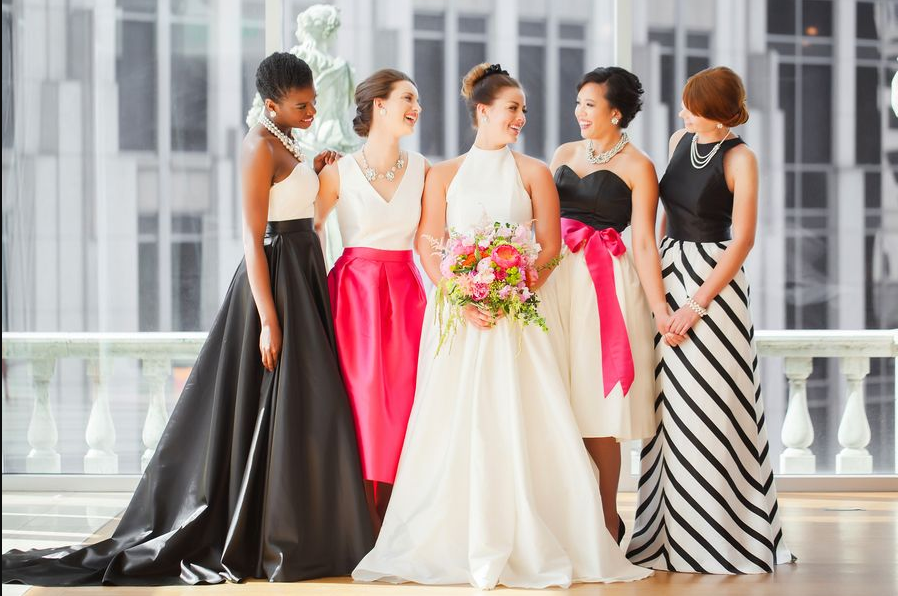
Weddings and celebratory occasions demand fashion that strikes a balance between convention, refinement, and personal flair. With so many choices, from gorgeous lehengas to elegant suits and fusion clothing, selecting the ideal ensemble may seem taxing. The secret is to take into account your own comfort as well as the venue, time of day, and dress code. While men can investigate bandhgalas or embroidered kurtas, adaptable items such as sarees, anarkalis, or palazzo sets provide elegance and comfort for women. Rich colours, stronger decorations and layered jewellery are usually allowed at festive events such as Diwali or Eid celebrations. Indian dresses are a classic favourite for South Asian events, ranging from traditional shararas to modern Indo-Western gowns. Perfect for both traditional rituals and fusion events, these outfits combine contemporary cuts with cultural legacy. This book presents eight realistic clothing suggestions for weddings and joyful events, therefore guaranteeing you seem gorgeous while remaining comfy enough to dance, eat, and party all night.
Classic Lehenga Choli for the Bride’s Best Friend
Especially if you are part of the bridal party outfit or close family, a lehenga choli is still a preferred option for wedding celebrations. For evening parties, opt for a heavily embroidered lehenga in vivid colours such as maroon, royal blue, or emerald green. Pastel colours with delicate zari or thread embroidery maintain you elegant without seeming overdone for day weddings. For comfort, pair with a matching or contrasting choli, deep back or high neck. A sheer dupatta draped in a contemporary manner (over one shoulder or pleated at the front) provides elegance. Finish the look with embellished heels and statement jhumkas. Make sure the lehenga weighs something you can handle for many hours of standing and dancing. For a personalised fit, many companies nowadays provide detachable trains or adjustable blouses.
Sharara Suit for a Majestic but Cosy Appeal
Sharara suits combine a short or long kurta with wide, flared trousers that are cut from the knee down (like palazzos). They are ideal for mehendi or sangeet evenings where you need freedom to move. For a celebratory mood without a lot of weight, choose a sharara with delicate mirror work or gota patti. For daytime events, floral patterns on chiffon or georgette are rather lovely. The silhouette elongates and complements virtually every body shape. For a finished ethnic combination, accent with a potli bag, juttis, and a maang tikka. Shararas may also be easily changed from a wedding to a reception by only changing the dupatta and jewellery. Unlike a saree, a sharara is a simple garment that requires no intricate draping, making it a convenient choice for guests who wish to appear elegant with minimum effort.
Saree Gown – Indo-Western Elegance
A saree gown blends the elegance of a saree with the practicality of a pre-stitched or one-piece construction. This ensemble, which has a fitted top fastened to a pleated pallu and a flowing skirt, is ideal for fusion weddings or cocktail parties. You steer clear of safety pins, pleating anxiety, or the pallu slipping off your shoulder. Search for saree gowns constructed of velvet, silk mixes, or thick net with sequin embellishments. Under evening illumination, hues such as crimson, navy, or champagne gold shoot gorgeously. Wear an elegant bun, high heels, and chandelier earrings to style your outfit. Non-South Asian visitors who wish to embrace Indian Clothes without mastering saree draping will find the ensemble to be ideal. Many designers also provide convertible versions in which the pallu may be worn across the body or as a dupatta, therefore providing you with two styles in one garment.
Anarkali Suit for Timeless Elegance
Anarkali suits have a long, frock-style kurta that goes out from the waist, along with churidar leggings and a dupatta. Their princess-like silhouette makes them ideal for wedding events such as the jaimala or vidai rite. For a regal look, pick a floor-length Anarkali made of heavy silk or brocade with elaborate zardozi or dabka embroidery. Choose a cotton silk Anarkali with block printing or subdued border work for a daytime event. The fitted bodice should enable arm movement for garland exchanges. Wear a statement kamarbandh (waist belt) to highlight your waistline and give glitz. Long rites are made more pleasant by flat juttis or wedge sandals. Anarkalis suit older relatives might favour subdued hues with full sleeves, whereas younger women might choose vivid colours and deep necklines.
Conclusion
Choosing the ideal festive or wedding outfit is a balancing act among custom, comfort, and individual expression. The choices are many, ranging from royal lehengas and shararas to crisp bandhgalas and fusion dhoti sets. The eight concepts above address several responsibilities, whether for guests, family members, or the bridal party, and fit both daytime rituals and evening events. Give breathable materials, fitted shapes, and accessories that improve without overpowering the top priority. Keep in mind that your finest accessory is confidence. Whether you choose classic or modern fashions, the correct ensemble will enhance every event, from dancing at the sangeet to dining at the reception. Plan, try on several looks, and have a fashionable party.
