
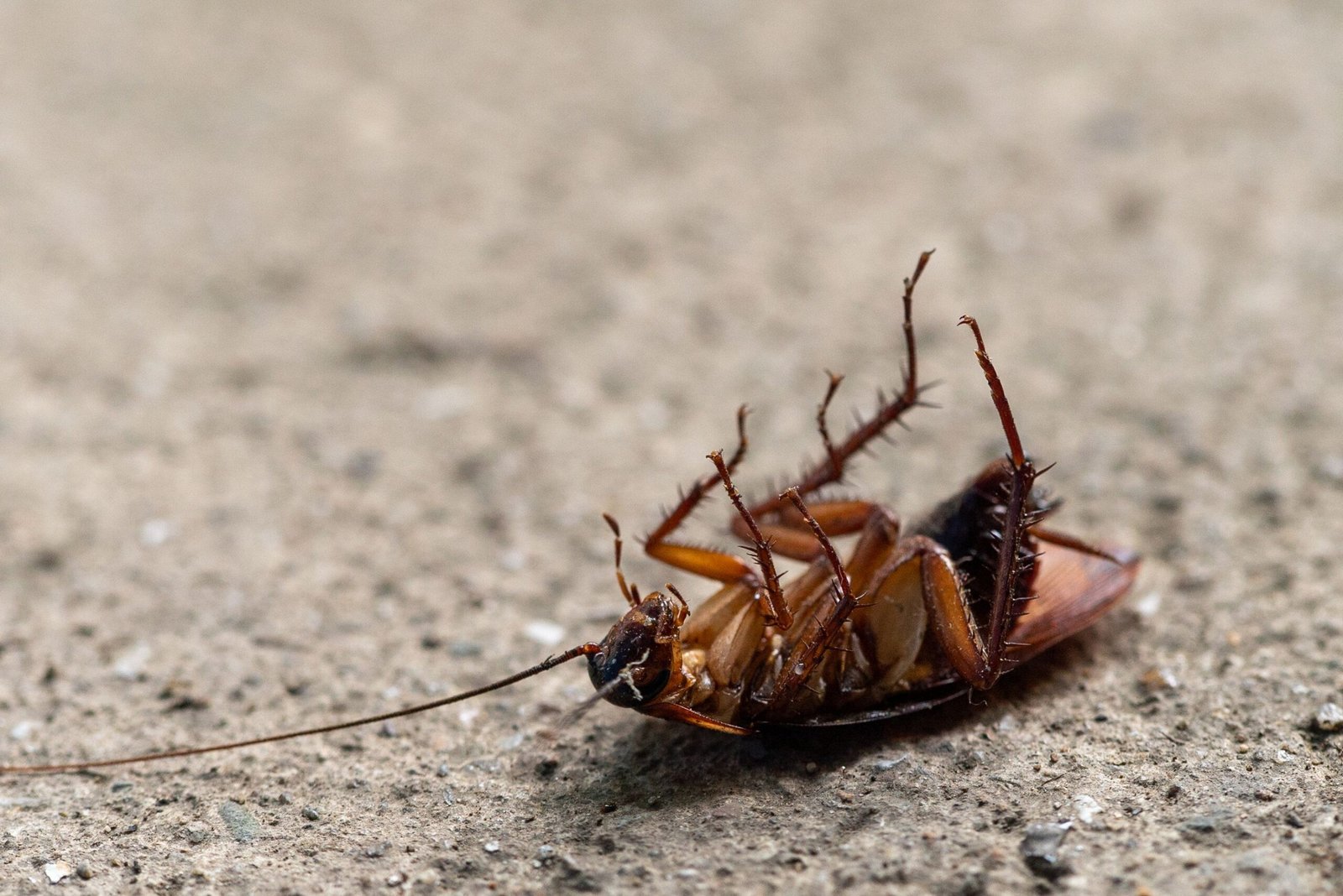
Kitchen renovations often uncover surprises, but not all of them are welcome. In some homes, removing an old benchtop reveals evidence of a hidden cockroach nest that has been developing behind cabinets and beneath surfaces for months or even years. Homeowners are often shocked because there were few visible signs of a problem before the renovation began. What appeared to be a clean and functional kitchen can sometimes conceal pest activity in areas that are rarely seen or accessed.
Even modern kitchens fitted with durable porcelain benchtops can still hide pest activity beneath cabinetry and structural voids.
How Pests End Up Inside Kitchen Structures
Cockroaches are highly skilled at finding sheltered environments that provide warmth, moisture, and access to food. Kitchens naturally offer all three. Small gaps around plumbing pipes, spaces beneath cabinetry, voids behind splashbacks, and the area underneath benchtops can create ideal conditions for nesting. These locations are dark, protected from disturbance, and often close to water sources such as sinks and dishwashers. Cockroaches commonly hide inside cabinets, behind appliances, around plumbing penetrations, and within structural gaps where they remain largely undetected.
Even a minor plumbing leak or occasional moisture build-up can make these hidden spaces more attractive. Over time, a small number of cockroaches can establish a breeding population that expands within wall cavities, cabinet voids, and other concealed areas of the kitchen.
Why the Problem Stays Hidden for So Long
One reason kitchen infestations often go unnoticed is the way modern kitchens are constructed. Benchtops, cabinetry, and splashbacks create enclosed spaces that are difficult to inspect without partial disassembly. Cockroaches are nocturnal and typically remain hidden during the day, only emerging when conditions are quiet and dark.
Tight joinery and sealed surfaces can effectively conceal evidence of activity. While homeowners may occasionally spot an individual cockroach, the actual nesting area often remains hidden behind cabinetry or beneath the benchtop structure. Renovation work frequently exposes these concealed harbourages because removing old materials opens areas that have remained inaccessible for years.
Risks of Ignoring a Nest Discovery
Discovering a cockroach nest during renovation should never be ignored. Cockroaches can contaminate surfaces with droppings, shed skins, and bacteria. They are known to travel through drains, waste areas, and other unsanitary environments before entering kitchens. This increases the risk of contamination around food preparation areas.
A hidden nest also indicates that the infestation may extend beyond the immediate area where it was discovered. Cockroaches frequently use wall cavities, plumbing routes, and structural gaps to move throughout a property. If the source remains untreated, surviving insects can quickly spread into adjoining rooms and establish new nesting sites.
Ignoring the issue may result in recurring infestations even after new kitchen materials have been installed. This can lead to further disruption, additional costs, and ongoing hygiene concerns.
Why Professional Pest Treatment Is Important
When a nest is uncovered, professional treatment is often the most effective way to address the problem thoroughly. Simply removing visible insects does not eliminate the entire infestation. Eggs, hidden harbourages, and secondary nesting locations may remain inside walls, cabinetry, or structural voids.
A professional Pest control near me service can perform a detailed inspection to identify the extent of the infestation and target areas that are difficult to access. Treatment typically focuses on eliminating active populations, locating breeding sites, and addressing conditions that allowed the infestation to develop in the first place.
Professional pest management also includes identifying moisture issues, structural gaps, and other contributing factors that may encourage future activity.
This approach is especially important during renovations because exposed structures provide a rare opportunity to treat hidden areas before they are covered again.
Cleaning and Preparation Before New Installation
Once pest treatment has been completed, the exposed area should be thoroughly cleaned before any new materials are installed. Residual droppings, nesting debris, food particles, and damaged materials should be removed to create a hygienic foundation for the renovation.
Any moisture issues should also be addressed at this stage. Leaking pipes, condensation problems, and damaged seals can create favourable conditions for future infestations if left unresolved. Gaps around plumbing penetrations and structural openings should be sealed where appropriate to reduce potential hiding spots.
Installing new porcelain benchtops after proper treatment and preparation helps ensure the kitchen begins in a clean, stable, and hygienic condition.
Preventing Future Infestations
Long-term prevention relies on reducing the conditions that attract cockroaches in the first place. Regular cleaning helps remove food residues that can support pest activity, while prompt attention to leaks reduces moisture that attracts insects. Kitchens should be inspected periodically for cracks, gaps, and deteriorating seals that may provide access to hidden spaces.
Homeowners should also pay attention to areas behind appliances, beneath sinks, and around plumbing connections. These locations often remain out of sight during routine cleaning, yet can become ideal harbourages if neglected.
Maintaining good sanitation practices and scheduling routine inspections with a Pest control near me provider can significantly reduce the likelihood of another hidden infestation developing.
Combining Renovation and Pest Control for Better Results
Finding a hidden cockroach nest during benchtop removal can be unpleasant, but it also provides an opportunity to solve a problem that may otherwise remain concealed. Addressing the infestation before installing new kitchen surfaces helps create a cleaner and healthier environment while reducing the risk of recurring pest issues.
Combining professional pest treatment with proper preparation and quality installation practices allows homeowners to make the most of their kitchen upgrade. By resolving hidden infestations, eliminating contributing factors, and ensuring the area is properly cleaned before new surfaces are installed, it is possible to achieve both long-term hygiene and lasting durability
FAQs
Why are cockroach nests often discovered during renovations?
Renovation work exposes hidden spaces behind cabinets, under benchtops, and around plumbing where cockroaches commonly nest.
Can cockroaches live under a benchtop for years?
Yes. If food, moisture, and shelter are available, cockroaches can survive and multiply in hidden kitchen structures for long periods.
Is it safe to install a new benchtop immediately after finding a nest?
It is recommended to complete pest treatment and thorough cleaning before installation to prevent reinfestation.
What attracts cockroaches to kitchen cabinets and benchtops?
Warmth, moisture, food particles, and hidden shelter areas make kitchens ideal environments for cockroaches.
Can a hidden nest spread to other parts of the house?
Yes. Cockroaches can travel through walls, plumbing lines, and structural gaps into other rooms.
How can future infestations be prevented?
Regular cleaning, fixing leaks, sealing entry points, and arranging routine pest inspections can significantly reduce risk.
