
Introduction
Property owners have a legal responsibility to maintain safe environments for tenants, visitors, employees, and members of the public who may enter their buildings or land. Safety laws exist to reduce accidents, prevent hazards, and ensure that properties meet proper standards for health, security, and structural condition. Whether managing residential homes, commercial buildings, rental properties, or construction sites, property owners must understand and follow various legal safety requirements. Proper knowledge of these rules helps reduce legal risks, protect occupants, and maintain safer and more professional properties.
Importance of Property Safety Responsibilities
Property owners are responsible for ensuring that buildings and surrounding areas remain safe for people who use them. This responsibility includes identifying hazards, repairing damage, and maintaining safe access throughout the property.
Failure to meet safety obligations can lead to accidents, legal claims, financial penalties, or reputational damage. Maintaining safe conditions protects both occupants and property owners from unnecessary risks. Understanding legal responsibilities is essential for responsible property management.
Fire Safety Regulations and Compliance
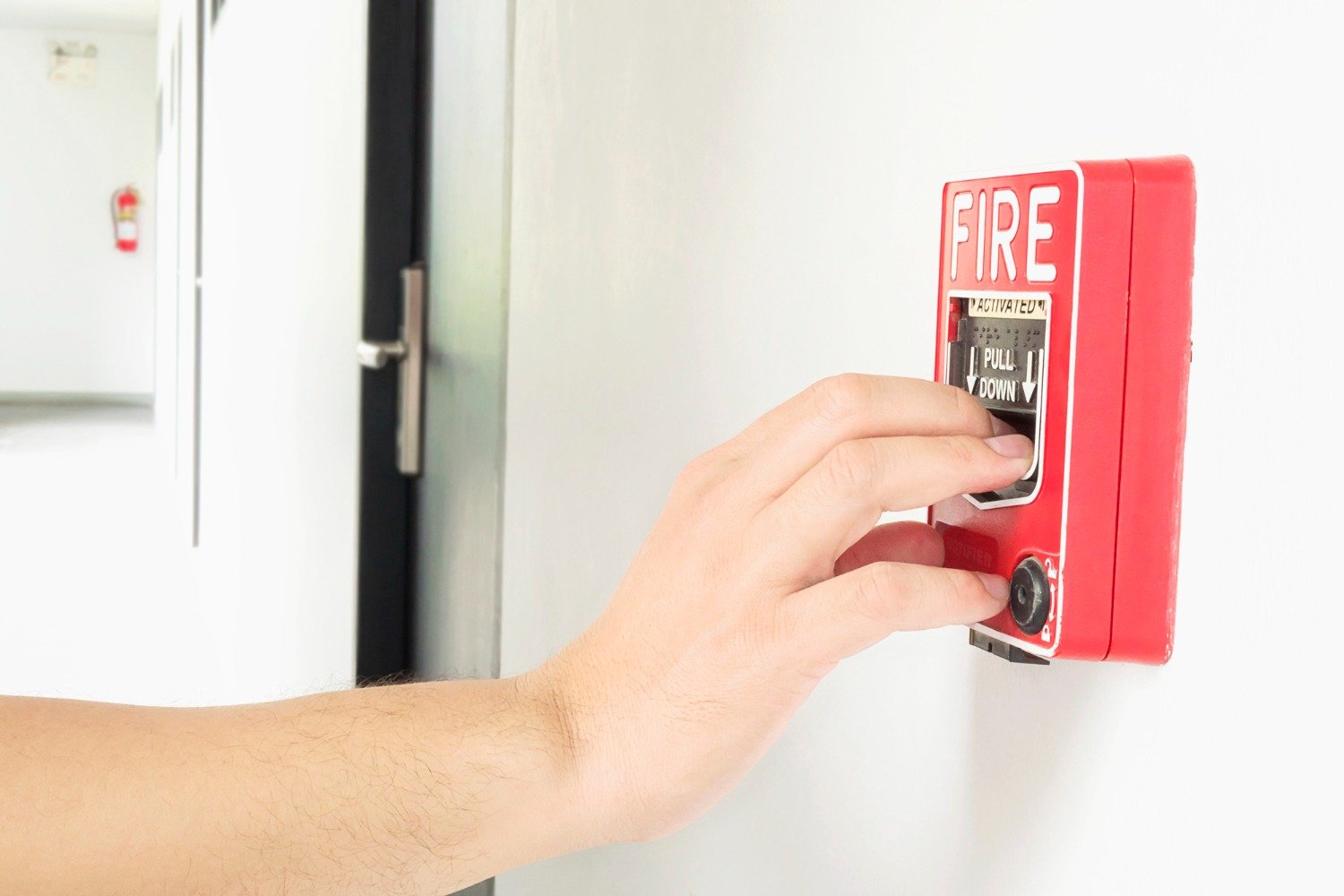
Fire safety is one of the most important legal requirements for property owners. Buildings must include suitable fire alarm systems UK, emergency exits, extinguishers, and evacuation procedures to help protect occupants during emergencies.
Regular fire risk assessments are often required to identify potential dangers and ensure compliance with current safety standards. Property owners must also maintain fire safety equipment properly and provide clear emergency information where necessary. Strong fire safety measures reduce the risk of serious incidents.
Electrical Safety Requirements
Electrical systems within properties must be installed, inspected, and maintained safely to prevent fires, electric shocks, or equipment failures. Property owners are often required to arrange regular inspections carried out by qualified professionals.
Damaged wiring, faulty sockets, or overloaded electrical systems can create serious hazards if ignored. Maintaining safe electrical systems protects both occupants and property value. Electrical safety checks are particularly important within rental and commercial properties.
Gas Safety Obligations
Properties using gas appliances must follow strict safety regulations to prevent leaks, explosions, or carbon monoxide exposure. Boilers, cookers, heaters, and gas pipes should be inspected regularly by certified gas engineers.
Landlords and property managers often have legal duties to provide valid gas safety certificates for rented properties. Regular servicing and maintenance help ensure appliances remain safe and efficient. Gas safety compliance is essential for protecting occupants from serious health risks.
Structural Safety and Building Maintenance
Property owners must ensure that buildings remain structurally safe and free from dangerous defects. Cracked walls, unstable roofs, damaged staircases, or weakened foundations may create serious safety risks if not repaired quickly.
Routine inspections and preventative maintenance help identify structural problems before they worsen. Safe building conditions protect occupants while helping owners avoid legal disputes or costly repairs. Proper maintenance is an important part of long-term property safety.
Managing Health and Safety Risks
Commercial property owners and landlords often need to manage broader health and safety risks throughout their premises. Hazards such as slippery floors, poor lighting, blocked exits, or unsafe equipment can increase the likelihood of accidents.
Risk assessments help identify dangerous conditions and support safer property management practices. Addressing risks quickly improves safety for employees, tenants, and visitors. Good health and safety management demonstrates professional responsibility and legal compliance.
Responsibilities Towards Tenants and Occupants
Landlords and property owners have legal duties to provide safe living conditions for tenants and occupants. This includes maintaining heating systems, water supplies, ventilation, sanitation, and overall habitability within the property.
Ignoring maintenance issues may lead to tenant complaints, legal action, or intervention from local authorities. Providing safe and comfortable living environments helps protect tenant wellbeing while maintaining positive landlord relationships. Responsible property management benefits both parties.
Security Measures and Access Control
Property owners are often expected to provide reasonable security measures that protect occupants and reduce criminal activity. Proper locks, lighting, CCTV systems, secure entrances, and controlled access points can improve safety significantly.
Good security management helps reduce theft, vandalism, and unauthorised access. Commercial properties may require additional measures depending on the nature of the business or location. Strong security systems support safer property environments overall.
Following Environmental and Public Safety Rules
Certain properties must comply with environmental regulations related to waste disposal, asbestos management, hazardous materials, and pollution prevention. Property owners may also need to ensure outdoor areas remain safe for public use and access.
Environmental safety laws help protect both people and surrounding communities from harmful exposure or unsafe conditions. Compliance with environmental standards supports responsible property ownership and sustainable management practices. Proper oversight reduces long-term legal and environmental risks.
Conclusion
Understanding legal safety rules is essential for property owners who want to maintain safe, compliant, and professionally managed properties. Responsibilities involving fire safety, electrical systems, gas inspections, structural maintenance, health risks, and security measures all play important roles in protecting occupants and reducing legal liability.
By following safety regulations carefully and carrying out regular inspections and maintenance, property owners can create safer environments while avoiding costly legal issues and accidents. Responsible property management not only protects people and property but also supports long-term value, trust, and professional standards within the property industry.
